

Art Curriculum and Courses
In each concentration within the Bachelor of Arts in Art, students consider works of art and fashion from the perspective of their formal and material compositions, their content, and their context of use–all crucial for navigating today’s complex and dynamic visual culture. Required courses in writing, artistic and design practice, historical investigation, and business and entrepreneurship, as well as opportunities for both reflective and collaborative learning, allow students to achieve marketable competencies for a range of career paths
Students are encouraged to combine the B.A. in Art with other majors, co-majors, or minors. No more than nine (9) credits can count simultaneously with another program of study.
Concentrations
Click below to view more information about each concentration.
Art History
Study the Arts, Understand the World

Art history is the study of human civilization across time and culture through the physical objects that we make–paintings, sculptures, architecture, graphic and decorative arts, film, performance, and others. As a discipline, art history considers how these works of art signify ideas, beliefs, practices, and social identities of the groups and individuals that made, viewed, or used them. Students of art history learn how to understand these works of art through research and analysis of aesthetic issues, cultural contexts, and artistic practices. They ultimately acquire specialized expertise in the important roles played by visual media in our own society and that of cultures from around the globe.
Skills
The B.A. in Art with a concentration in Art History prepares students for a wider range of career options than what many might realize. The content of the history of art will be essential knowledge for anyone looking to work in museums, galleries, or cultural institutions; attend graduate school in art history or related fields; and teach art history at the high school and college level. However, the skills acquired through the study of art history are highly desired by a much broader range of employers, whether related to the arts and humanities or not. Consider the following skills and how they are honed through the study of art history:
Visual Analysis
Developing tools to assess the function of images in an increasingly visual world.
Comparatively analyzing works of art to understand their styles, functions, and artistic value.
Recognizing why works of art look the way that they do and how they communicate information.
Human Relations
Understanding the functions of created objects from various times and across cultures.
Identifying a culture’s values and beliefs by studying the objects created in that culture.
Explaining our own contemporary culture by exploring those of others.
Research
Gathering, examining, and analyzing evidence in images and primary sources.
Assessing information and judging its relevance and importance.
Expanding the horizons of knowledge through novel interdisciplinary investigations.
Communication
Writing and speaking critically about topics related to created objects.
Interpreting and organizing complex and often ambiguous information.
Developing sound arguments supported by logically ordered evidence.
Additional Opportunities for Art and Architecture Students
Students in the Art and Architecture History concentration can tailor their curriculum with a range of opportunities beyond the university classroom.

Flexible Curricular Choices
The flexible structure of the concentration in Art and Architecture History allows students to take courses that they want, when they want, to suit their primary field of study.

Study Abroad
Many study abroad programs offer opportunities to learn about the art and architecture of a particular place, often with walking tours and visits to museums and galleries. These courses can easily be counted for the minor.

Curate an Exhibition
Students can take the Capstone Seminar in the fall semester of their senior year. This seminar involves the design and research of actual works of art for an exhibition put on display at the Richard and Carole Cocks Art Museum.
Fashion Design
Fashion Design: A Journey Through Creativity, Craft, and Context

Fashion emphasizes creativity and experimentation and offers students the opportunity to develop basic skills in product-making, historical contexts, materials, design foundations, and the opportunity to build skill depth in fashion design.
Opportunities for Fashion Design Students
- Apply for Miami’s Study Abroad programs at locations such as Luxembourg and Florence.
- Apply to our NYC Fashion and Study Away trip
- Apply to the MUF & D Annual Fashion Show and design a collection for the show
- Gain experience in the industry by obtaining an Internship in Fashion
- Study fashion garments from our Fashion Costume Collection
Fashion Design Related Student Organizations
In addition, fashion students can join the Miami Fashion Community by joining a fashion-related student organization:
Miami University Fashion and Design (MUF&D)
MUF&D is the largest student organization on campus with 750+ members and numerous leadership opportunities, including the production of an annual student-led fashion show.
MUSE MGMT
MUSE MGMT provides access to personal brand consulting, portfolio building opportunities, and a vast access to industry professionals and established alumni in the spaces of modeling, makeup, hair, wardrobe, photography, and videography.
UP Magazine
UP Magazine provides opportunities relating to strategic communications, media and culture, publishing, and social media in preparation for fashion industry careers.
Futures in Retail
Futures in Retail (National Retail Federation (NRF) affiliated) develops awareness of data analytics, supply chain, finance, accounting, merchandising, marketing, management, and interactive media studies careers in the retail sector.
Studio Art
Explore Your Creative Side

Studio Art prepares students to explore human and intellectual experience through visual expression, developing critical thinking, conceptual depth, and technical skill.
Skills
Through foundational studio and Art History courses, students engage with areas such as ceramics, metals and jewelry design, painting, photography, printmaking, and sculpture, creating a personalized, contemporary studio practice that integrates their artistic and liberal arts interests.
Ceramics
Our ceramics program moves from the foundation courses to an introduction of the various construction, decoration, and firing processes as part of the ceramic curriculum. Our curriculum provides you with a background in hand-building; wheel-thrown construction methods; low- and high-temperature firing processes; oxidation/reduction atmospheres and raku, soda, and wood firings; and ceramics materials and their contributions to clay bodies, slips, and glazes.
Metals and Jewelry Design
Our metals program offers introductory through advanced study in metalsmithing and jewelry design at both the undergraduate and graduate levels. You will develop a strong design and technical foundation in a broad range of metalworking processes and experimental applications, such as basic fabrication, casting, die-forming, enameling, and stone-setting to raising, lathe-spinning, anodizing, and plating.
Painting
Our painting program introduces you to the various materials and issues related to the process of painting. You will learn to engage the fundamental formal syntaxes of traditional painting through such resources as still life, landscape, and human figure.
You are presented with current ideas and images important for understanding form and content in the visual arts. Painting is understood as both a traditional context and an extension of procedures and practices to a wide variety of art structures.
Photography
Photographic study at Miami University emphasizes fine art practice, including craftsmanship and creativity. Technical proficiency with black and white and color processes is where we begin to understand the language of traditional and alternative photographic practice. The use of this complicated and powerful visual language is the primary focus of the program. There is also growing experimentation with digital imagery and all the technological advances surrounding that technology. We explore photographic history, theory, and criticism throughout the sequence of courses in the concentration.
Printmaking
Our printmaking program provides in-depth studio work in etching and lithography with an emphasis on the development of drawing and individual imagery. You may also work in related fields such as photo-etching and papermaking, leading to the development of a cohesive and mature body of work for a professional portfolio and exhibition. Such possibilities lead to careers as printmakers, as teachers, as well as to museum and gallery work. Many of our printmaking students have exhibited work at regional and national professional exhibitions.
Sculpture
Our sculpture program instills the confidence, direction, and technical skills necessary to sustain a productive and professional artistic career. Studio courses at all levels emphasize a process of making art with an awareness of contemporary sculpture, as well as the history of sculpture. As you develop techniques and skills relating to the discipline, you will work toward developing professional standards. Throughout the program, we encourage you to work toward a more significant personal expression while developing a portfolio.
Art Career Options
Our studio art graduates seek careers in many areas. Some become professional artists, such as art directors, web designers, illustrators, graphic designers, photographers, printmakers, painters, sculptors, metalsmiths, and ceramists. Graduates may also go on to graduate school to prepare them to be university faculty, private-sector teachers, art therapists, gallery directors, museum curators, or art critics.
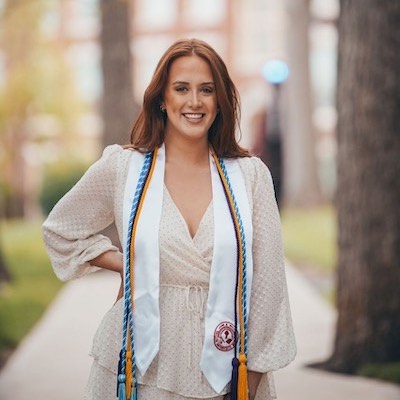
The professors’ passion for art history created an inspiring environment that led me to pursue at career within the art industry. I was able to utilize my education to obtain a position with Artsy, a leading online fine art brokerage firm. I’ll be forever grateful for my education in art history provided by the Miami University professors.
Additional Opportunities for Art Students
The Visual Arts Club
Visual Arts Club is a group of student artists committed to professional development and fostering a thriving, interdisciplinary arts community on campus. Our aim is to give art students continued opportunities to have experiences that will prepare them for a future career in creative arts.
Effusions
Effusions is the official student-run art journal of Miami’s Art Department. We promote and publish an annual art journal exemplary of all works, visual and written, from students attending Miami University. Our journal aims to highlight the importance of the visual arts/ study of art on the Miami University campus. Follow us on Instagram: @ effusions_mu

Study Abroad
Students can participate in the Florence University of the Arts Study Abroad program at The American University of Florence.
Facts and Stats
Your college experience here will be one of the most exciting times of your life. To make sure of this, we’ll provide you with a powerful support system.
-
90%
- First-to-second year retention (Fall 2022) Miami University Data
-
12th
- Among Public Universities in the United States for Four-Year Graduation Rate OIRE (2022)
-
95%
- of 2021 CCA graduates employed or pursuing advanced degrees within six months of graduation Miami University Data
Art Related Programs
Miami students are an eclectic mix of thinkers, doers, leaders and followers, introverts and extroverts, authors, painters, climbers, coders, pianists, philanthropists, and gamers. Just to name a few.
Admission and Aid
Explore what it means to be a college student at Miami University in Oxford, Ohio, where students prepare to go anywhere and everywhere. We’ll be here to help every step of the way as you prepare for college admission, enrollment, and success.
Contact Us
Undergraduate Admission
Department of Art
Art History
Andrew R. Casper
Professor of Art History
Department of Art
Art Building 124
400 S. Patterson Ave.,
Oxford, OH 45056
Fashion Design
Natalie Reed
Assistant Teaching Professor
Fashion Program Coordinator
Department of Art
Boyd Hall 222
551 Western College Dr.
Oxford, OH 45056
Studio Art
Rob Robbins
Professor of Studio Art
Department of Art
Art Building 124
400 S. Patterson Ave.
Oxford, OH 45056